
| The article outlines practical criteria for selecting a modernization partner, highlights leading IT services providers, and emphasizes phased, outcome-driven execution. The focus stays on ROI, risk reduction, scalability, and readiness for AI and data-driven operations through 2026 and beyond. |
Introduction
The cost of maintaining legacy applications rarely appears as a single line item. Of course, you don’t see it clearly in quarterly reports, but you feel it over time: slower releases, higher operational risk, and teams spending effort to keep systems alive.
For many organizations, the gap between outdated software and today’s operating models has simply grown too large. They struggle to support cloud-based delivery, real-time data access, or AI-driven workflows.
That pressure is clear in the latest ISG Provider Lens™ Mainframes – Services & Solutions 2025 (U.S.) report. Enterprises are more and more focused on how to run modernization without disrupting critical operations and how fast they can move before outdated systems start blocking growth.
ISG points to a clear change in approach. Earlier efforts often centered on reducing infrastructure costs through lift-and-shift migrations or limited replatforming. Today, leaders are funding deeper application reengineering.
Along the way, we’ll also look at common modernization paths and identify what separates a reliable modernization partner from a short-term vendor.
What are the benefits of legacy app modernization services?
Modernizing a legacy application is not a technical upgrade in isolation. It changes how teams work, how systems scale, and how reliably the business can respond to change. When companies partner with an experienced legacy application modernization provider, the impact tends to show up across operations, not just IT.
Here’s what that typically looks like in practice.
10x increased efficiency
Cleaner codebases and automated workflows reduce routine headaches. Teams spend less time navigating workarounds or fixing outdated integrations and more time improving the product itself. Over time, this reduces a significant amount of manual effort in routine operations.
Improved scalability
Modern cloud infrastructure is built to grow without forcing rewrites. As demand increases, systems can scale horizontally or vertically without disrupting users or overloading teams. Growth stops being a risk factor and becomes something the platform can absorb.
Lower maintenance costs
Legacy systems tend to accumulate hidden costs through custom fixes and aging infrastructure. Modernization shifts much of that burden to managed cloud services, reducing the total cost of ownership and making expenses more predictable year over year.
Read more about our recent legacy modernization projects.
Stronger security and compliance
Governance becomes easier when access controls, audit trails, and resource policies are built into the platform. Granular permissions and centralized monitoring make it easier to meet regulatory requirements, including healthcare and data protection standards, without adding manual checks.
Faster time to market
Containerization and DevOps practices shorten release cycles. Updates that once required long freeze periods can be delivered incrementally, allowing teams to respond to customer needs and market changes without extended delays.
AI and analytics readiness
Modernized systems make data accessible and usable. That creates a realistic foundation for analytics and AI initiatives, rather than forcing teams to retrofit advanced tools onto platforms that were never designed to support them.
Improved business continuity
Cloud-native infrastructure supports fault tolerance and rapid recovery. Features like automated failover and zero-downtime deployments help keep services available even during updates or unexpected outages.
Taken together, these benefits shift modernization from a defensive move into a practical way to regain control over how technology supports the business. It’s less about replacing old systems for their own sake and more about removing constraints that no longer make sense.

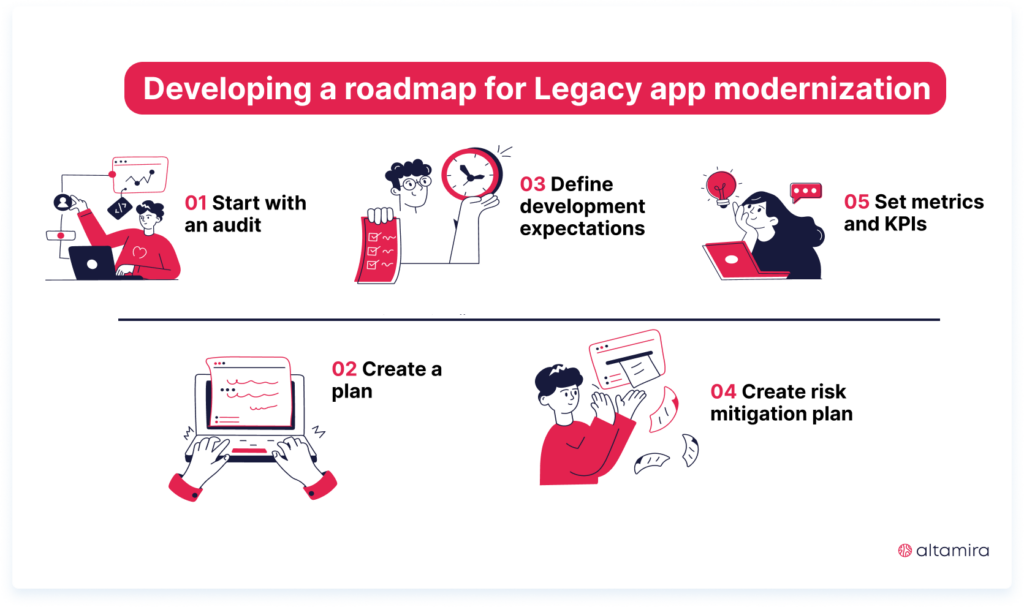
What to look for in a legacy modernization partner?
Before you start comparing provider logos or analyst rankings, it helps to step back and define what “good” actually means for your situation. Legacy modernization is not a single type of project. It spans everything from lift-and-shift rehosting to selective refactoring and, in some cases, full application rewrites.
A capable partner helps you decide where each system belongs on that spectrum. Just as important, they execute that decision consistently and with discipline, rather than defaulting to a one-size-fits-all approach.
Modernization also isn’t about checking off a technical requirement. It cuts across architecture, risk, operations, and people. No provider excels in every dimension, so the real task is to find a firm whose strengths align with your environment and your tolerance for change.
Here are the areas that tend to matter most.
Strategic advisory and business alignment
Strong modernization partners start with outcomes. They can translate goals, such as reducing mainframe usage, into tangible business outcomes, including faster onboarding, fewer transaction failures, and shorter release cycles.
Automation and proprietary tooling
Large-scale modernization cannot rely solely on manual code inspection and hand-built test plans. Leading providers invest in automated analysis, code transformation utilities, test generation, and migration accelerators. These tools don’t eliminate risk, but they shorten feedback loops and make delivery timelines more predictable.
Change management and skills transfer
A modernized system only delivers value if your teams can run and extend it. The best partners plan for this from the very beginning. They pair their engineers with yours, invest in knowledge transfer, and leave behind clear documentation and operating models. The goal is to reduce dependency, not create it.
What are the top legacy application modernization service providers?
Choosing the right modernization partner is less about finding a perfect vendor and more about finding one that understands your pains, respects your risk profile, and knows how to move complex systems forward without stress.
1. Altamira
Founded in 2011, Altamira is an AI-native global software engineering and digital consulting company. As a top-rated legacy modernization company, Altamira operates across Europe and the USA.
The mission is to change the way software development is done. The company uncovers strong AI use cases in process automation that drive real cost savings and efficiency gains.
Altamira builds the organisation’s capabilities, ensuring knowledge transfer to realise the full potential of the technologies. These small wins build confidence to tackle core activities with AI-based solutions that create serious impact: improved efficiency, stronger business outcomes, and talent development that powers your future.
Altamira has been recognized by IAOP, Awwwards, Red Dot Design Award, INC., IT Europa, DesignRush, Indigo, and others.

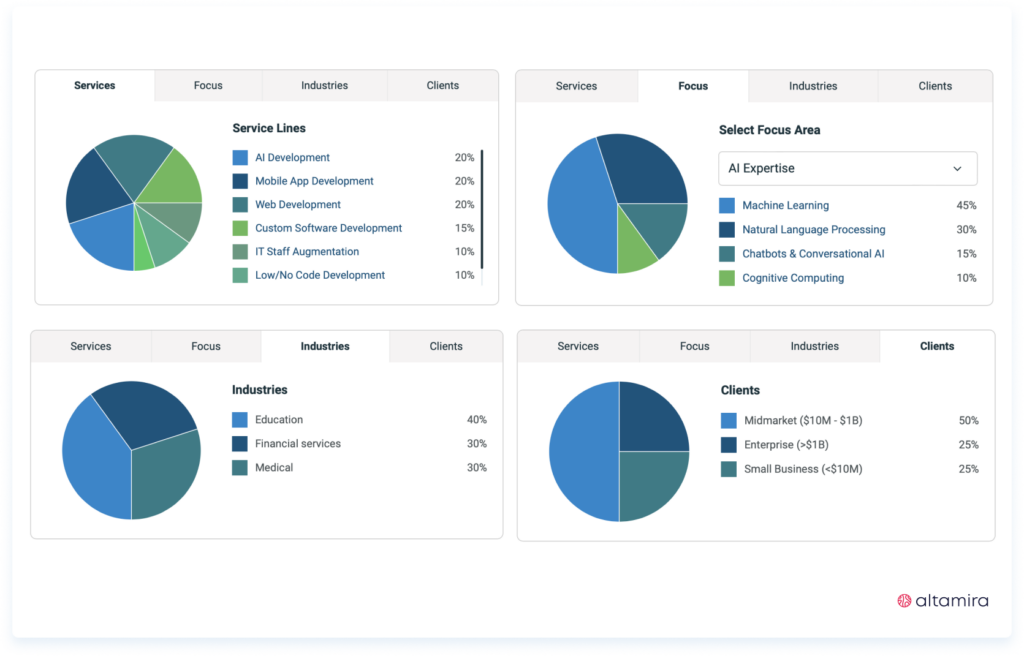
| Unique offering | Added value approach: fast improvements and long-term transformation AI-powered legacy code review & architecture mapping Strategic reuse of components to minimize disruption |
| Other services | AI agent development, AI software development, mobile app development, custom software development, web development, eCommerce development, AI consulting, legacy app modernization, legacy software modernization services |
| Founded | 2011 |

2. Radixweb
Founded in 2000, Radixweb is a global software engineering firm headquartered in Ahmedabad, India, with offices across the United States, Canada, Australia, and Morocco. The company supports organizations with product engineering, custom software development, AI and machine learning initiatives, cloud and DevOps adoption, SaaS platforms, data analytics, and enterprise application development. This range allows teams to modernize older systems while also aligning them with newer digital products and operating models.
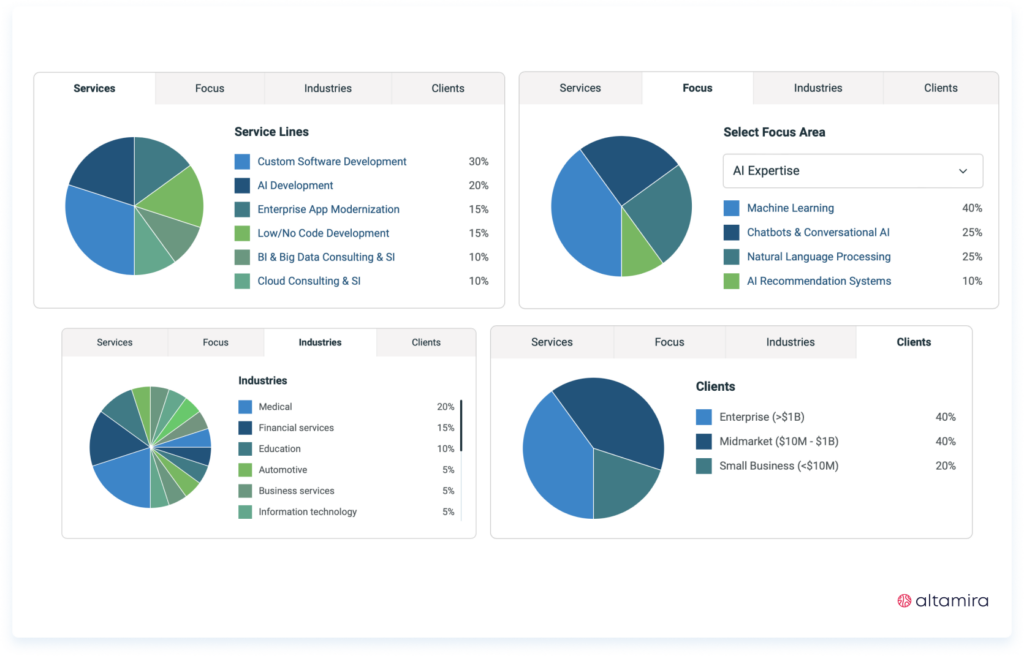
| Unique offering | Phased legacy modernization with early measurable outcomes Modular re-architecture without disrupting downtime Cloud-native, automation-first delivery with a UX-centric approach |
| Other services | Custom software development, web development, eCommerce development, mobile app development, UX/UI, managed services, and other IT Consulting |
| Founded | 2000 |


3. Devox Software
Devox Software is a U.S.-based software development company focused on helping businesses build new products on modern technology stacks. Founded in 2018, the firm has positioned itself around delivery quality and client outcomes rather than volume.
The company places a strong focus on measurable return on investment, pairing technical execution with scalable architecture decisions. That balance allows clients to launch products that meet immediate goals while remaining flexible enough to evolve as requirements change.
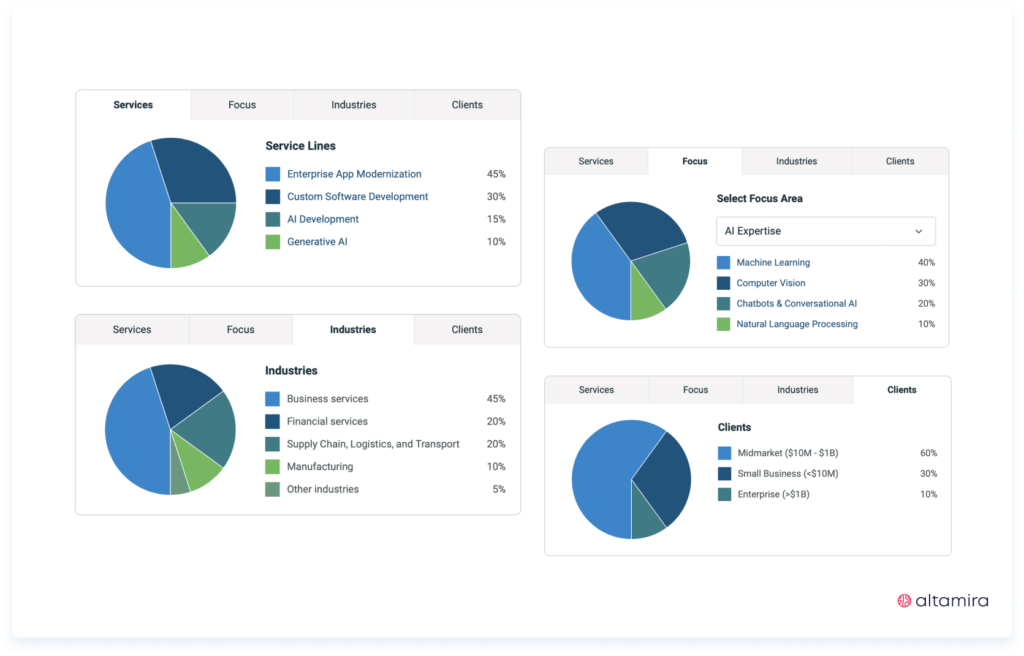
| Unique offering | AI-powered code analysis and architecture mapping Modular modernization with minimal downtime Outcome-based delivery with FinOps integration |
| Other services | Custom software development, web development, IT staff augmentation, UX/UI, AI development, mobile app development, enterprise app modernization |
| Founded | 2018 |


What are other modernization players to know?
Of course, there is a broader group of global IT services firms with legacy modernization practices. Companies such as Infosys, Hexaware Technologies, HCLTech, Cognizant, Wipro, and Capgemini bring decades of application management experience into modernization programs.
These firms typically combine legacy-system expertise with cloud migration, DevOps practices, and a microservices-based redesign. Many also maintain modernization accelerators developed in partnership with major cloud providers. Those accelerators offer repeatable patterns for tasks such as mainframe offloading, data modernization, and API exposure, helping standardize delivery across large portfolios.
Alongside these global players, regional and niche consultancies can be strong options, particularly for mid-market companies or industries with specialized operational or regulatory needs. Smaller firms often differentiate through deeper industry knowledge, faster decision-making, and a willingness to engage with complex brownfield environments that larger providers may deem less important.
Regardless of size or brand recognition, the evaluation criteria remain the same. Look for a proven track record in similar environments, a clear and transparent delivery approach, meaningful use of automation, and an honest assessment of risk, cost, and timelines. Modernization programs tend to fail not because of ambition, but because fundamental considerations are overlooked.
The final words
Technical debt rarely announces itself as a crisis. It builds quietly, much like interest on a long-standing balance. The longer it’s left untouched, the more it limits options later, and systems become harder to change.
Modernization doesn’t require an all-or-nothing decision. For some systems, an API layer is enough to stabilize integration and extend useful life. Others require deeper rework or a full rebuild to remove architectural limitations. The common objective is the same in every case: lower operational risk, bring costs under control, and make room for steady improvement rather than periodic disruption.
The most reliable programs start small. A focused pilot helps validate assumptions, expose dependencies, and confirm business impact. Once results are clear, modernization can proceed in deliberate phases, keeping teams in control of timelines and outcomes rather than reacting to forced change.
Remember that waiting rarely makes modernization easier: converting technical debt into usable capability sooner gives the business more room to adapt, experiment, and grow.
If outdated systems are limiting how your organization operates, it's time to step back and reassess what’s possible in your business context.
Contact us to learn more how Altamira can empower your modernization projects with the help of AI assisted modernization tools.