Legacy Application Modernization Service
Many organizations depend on software they no longer fully control. Simple changes take weeks, data remains locked, while the maintenance costs rise. Our approach to legacy app modernization is built around delivering value incrementally. Let's fix aging architectures, reduce technical debt, and evolve your software without putting day-to-day operations at risk. Make your systems cheaper to run and ready to support the business you have today, not the one you had years ago.
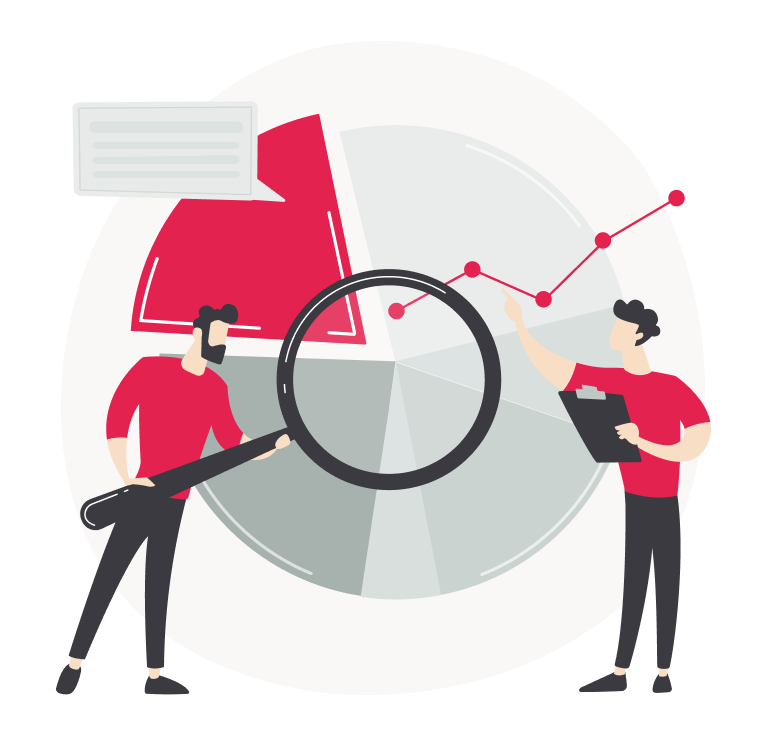
What once supported the business now dictates what’s possible? Legacy application modernization is about regaining control.
Release cycles stop being dictated by fragile dependencies and manual work. Teams can make updates without long testing and rollback cycles.
Modern approaches replace outdated languages and unsupported frameworks, making systems easier to maintain and staff.
Modernized software requires fewer fixes, less manual intervention, and less firefighting. Budgets go from survival mode to improvement.
Legacy systems are exposed through modern interfaces instead of custom workarounds. Integrations become faster and more predictable.
Cleaner architectures reduce failure points and improve observability, making incidents less frequent and easier to resolve.
Incremental modernization avoids big-bang migrations and extended downtime, keeping business-critical systems available throughout change.
When do you need legacy application modernization services?
Empower your team with experienced engineers who focus on modernizing your legacy systems. You get immediate access to the skills needed to reduce technical debt and accelerate modernization without pulling your internal team away from critical work.
Our team works as an extension, integrating with your processes, tools, and stakeholders. This model supports continuous modernization while preserving domain knowledge and ensuring alignment with your internal priorities.
For clearly defined goals, we deliver modernization as a standalone project with agreed scope, budget, timelines, and outcomes. This approach provides cost predictability and controlled risk, which works best for targeted upgrades or isolated system transformations.
What are our legacy modernization services?
What do you get with legacy app modernization consulting?
A clear evaluation of your current systems, pain points, and limitations. As a legacy app modernization company, we will define together what limits the business today, what must remain stable, and which parts of the system are safe to modernize first, so decisions are grounded in reality, not assumptions.
Get an accurate definition of what will be modernized, refactored, replaced, or left untouched. The requirements focus on reducing complexity, improving performance and security, as well as enabling future improvements.
A step-by-step plan that allows modernization to happen alongside daily operations. Our roadmap prioritizes high-impact improvements, defines clear milestones, and avoids disruptive migrations.
Every project we deliver comes with hard numbers, not promises. We track cycle times, cost reductions, and decision accuracy across every deployment. When your system goes live, you’ll see the difference in your reports.
Altamira helped us to shape the future of music by launching our disruptive publishing tool scodo. What I appreciate most in working with them is their incredibly structured approach while keeping a strong focus on reaching our project’s goals. And of course all of that paired with highly talented and likeable people across the board.

Head of Services, Universal Edition
It has been an absolute pleasure working with the team at Altamira. We have never been blocked or impeded by their work. They operate efficiently and quickly to get the job done.

CEO, CTRL Golf
Being deeply invested in the education sector, it was quite a challenge to find a software development partner capable of understanding and delivering on our vision. Altamira rose to the occasion, meeting our expectations with the development of our educational solution. Their holistic approach was evident in how professionally they integrated our ideas with their expertise, resulting in a product that totally meets our goals.

CEO, Elula
At first, I felt hesitant about trusting such a complex project to outsource developers. But, fortunately, my concerns appeared to be absolutely unfounded. Altamira team did amazing job! And I was pleasantly surprised by how well-established processes they have.

CTO, Ticker Tocker
Communication was excellent and my original idea became real thanks to the brilliant work of Business Analysts and Project Managers. Their prompts were always on time, hence there were no misunderstandings in the process. I am absolutely satisfied with how my app looks and functions. It is exactly what I wanted to get when I decided to go with this team.
CEO & Co-founder, Aquiline Drones
Altamira produced superlative deliverables that provide valuable information to guide internal operations and support sales processes. The team was receptive to feedback, adapting resources to ensure effective collaboration.
CTO, SOLJETS
People also asked
At Altamira, legacy application modernization starts with understanding the current system: its architecture, dependencies, risks, and business role. From there, we approach modernization incrementally. We usually cover refactoring critical components, exposing legacy functionality through modern interfaces, updating infrastructure, or migrating selected parts to the cloud. The goal is to improve stability, speed, and flexibility without disrupting day-to-day operations or forcing a full system rewrite. Get in touch to learn more.
A common example is a monolithic, on-premises application that is difficult to update and integrate with. Modernization might involve separating core functions into services, exposing data through APIs, moving selected workloads to the cloud, and updating outdated user interfaces. The system continues to run throughout the process, while its most limiting parts are gradually replaced or improved. Read more about our recent data migration projects.
Services provided by Altamira